Blog
Fabric Storage Box Supplier, 7 Key Qualities, Trusted Factory For Bulk Sourcing

For global importers, retailers, brand owners and wholesale buyers, picking the right fabric storage box supplier directly shapes your product quality, profit margin and delivery stability. Many buyers rush to compare unit prices only to face delayed shipments, inconsistent fabric quality or failed custom logo jobs later. This guide breaks down the core traits you should verify before locking in a long-term factory partner for fabric storage bins, custom organizers and private-label storage containers.
Whether you run a home goods retail chain, an Amazon or Shopify store, or source bulk home organization goods for regional distribution, your supplier needs to match your sourcing goals beyond low pricing. Below are the critical standards every serious buyer should check.

1. Verified Factory Capacity & Stable Production Workflow
A trustworthy fabric storage box supplier should own in-house production lines instead of acting as a middleman trader. Direct factory partners control every stage: fabric cutting, stitching, lining reinforcement, handle attachment, inspection and final packing. This reduces communication gaps and keeps quality consistent across large bulk orders.
Ask to confirm daily output, warehouse space and peak-season scheduling. Professional factories maintain a clear workflow: raw fabric incoming test → sample confirmation → mass cutting → sewing production → QC screening → folding and packing → pallet loading. Transparent production timelines help you plan inventory and seasonal sales cycles without unexpected stockouts. You can review our full factory profile at our about us page.
2. Reliable Material Control & Consistent Build Quality
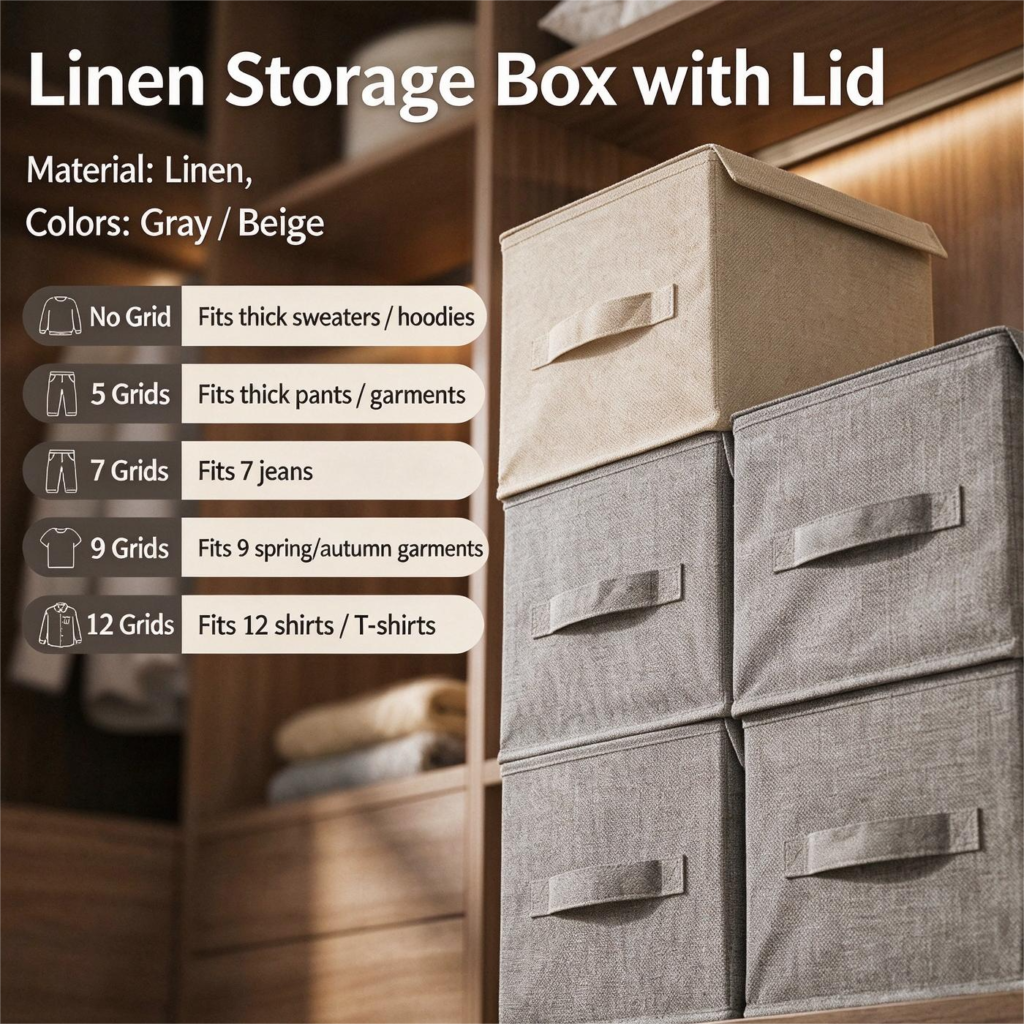
Fabric selection defines the lifespan of collapsible fabric organizers. Top suppliers offer multiple fabric grades: non-woven, oxford cloth, linen blend, polyester and thick canvas. They should provide material test reports, color fastness data and load-bearing test results for your compliance review.
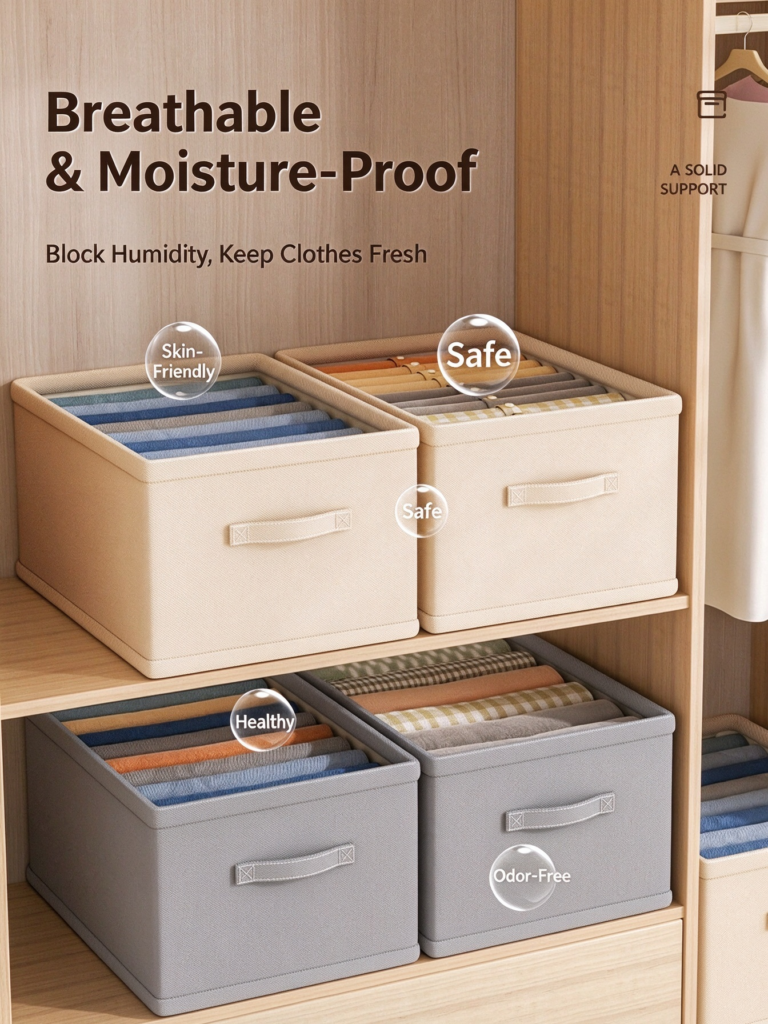
Key details to inspect: reinforced stitching, sturdy cardboard inserts, comfortable fabric handles, neat edges and non-toxic printing ink. Poorly made storage boxes bend easily, fray quickly or release odd odors, which trigger high return rates for your retail brand. Quality-focused suppliers keep fixed material vendors and run random QC checks on every batch.


3. Flexible OEM & ODM Support for Private Label
For brand buyers, custom service is non-negotiable. A qualified fabric storage box supplier should support OEM and ODM requests, including custom sizes, custom colors, printed logos, woven labels, hang tags and customized packaging. Private label capability lets you build unique SKUs that stand out from generic marketplace competitors.
Clarify MOQ rules for custom printing and new mold development early. Some factories only accept huge MOQs for custom designs, while flexible manufacturers support small trial runs before full bulk production. You may explore our custom service page: custom order solutions.
4. Clear Bulk Order Terms & Dependable Logistics
Wholesale and import buyers need predictable lead times, transparent pricing and clear shipping terms. Confirm payment terms, lead time for samples and mass goods, packaging standards and loading port options. Good suppliers separate sample cost, mold cost and bulk unit price clearly, with no hidden fees.
They also work steadily with freight forwarders and understand FOB, CIF and DDP requirements for cross-border shipments. Stable delivery protects your sales plan, especially before holiday retail seasons. For industry logistics and sourcing best practices, you can reference insights from U.S. International Trade Administration.


5. Responsive Communication & After-Sales Accountability
Many sourcing failures come from slow, unclear communication. A professional fabric storage box supplier assigns dedicated sales or merchandiser contacts for each B2B project. They reply to technical questions, send production photos, update order progress and handle quality complaints fairly.
Before placing large orders, test their response speed, sample turnaround and willingness to adjust designs. Long-term B2B cooperation relies on accountability: responsible factories accept reasonable rework or compensation for confirmed quality defects, instead of shifting blame.
6. Versatile Application Options for Your Product Line
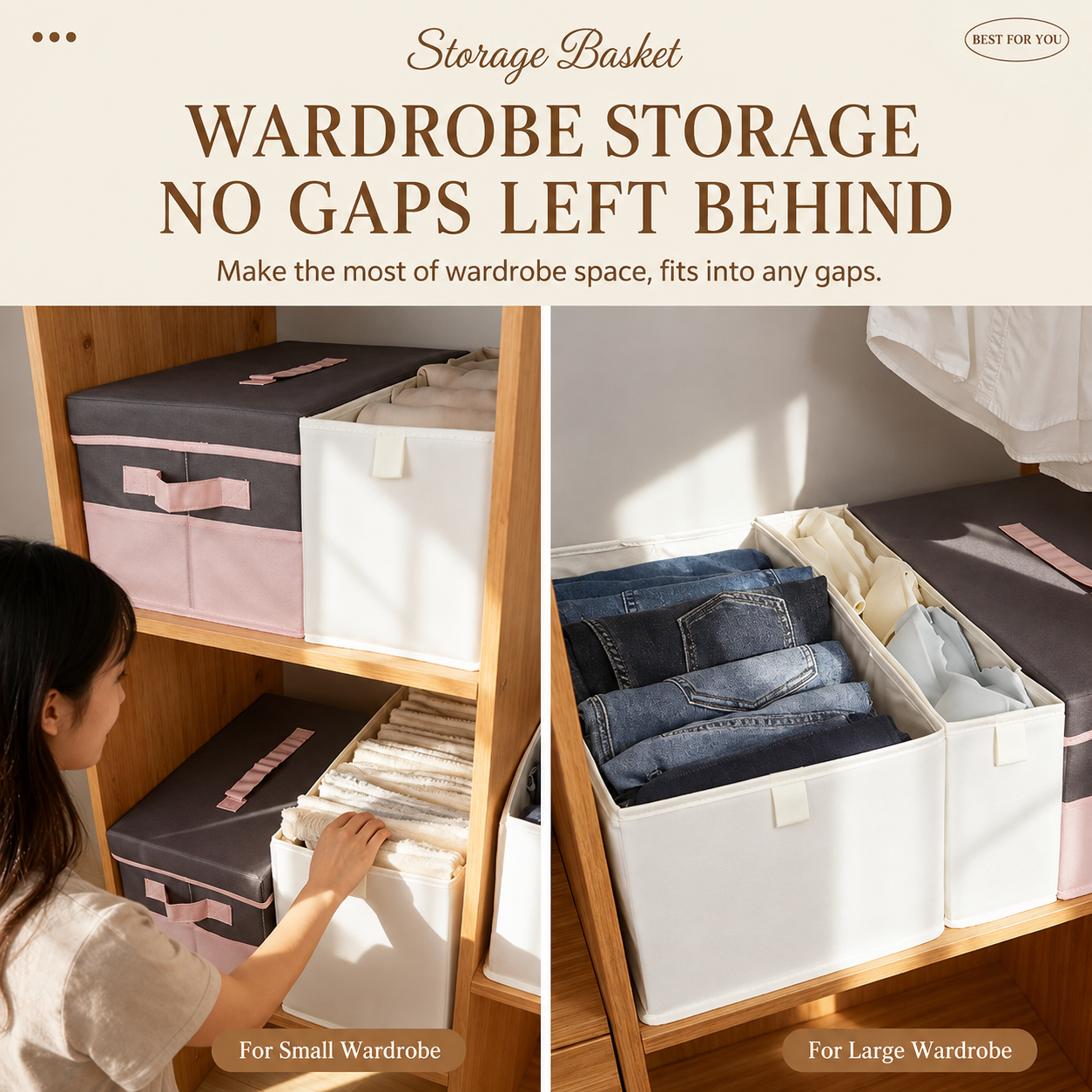
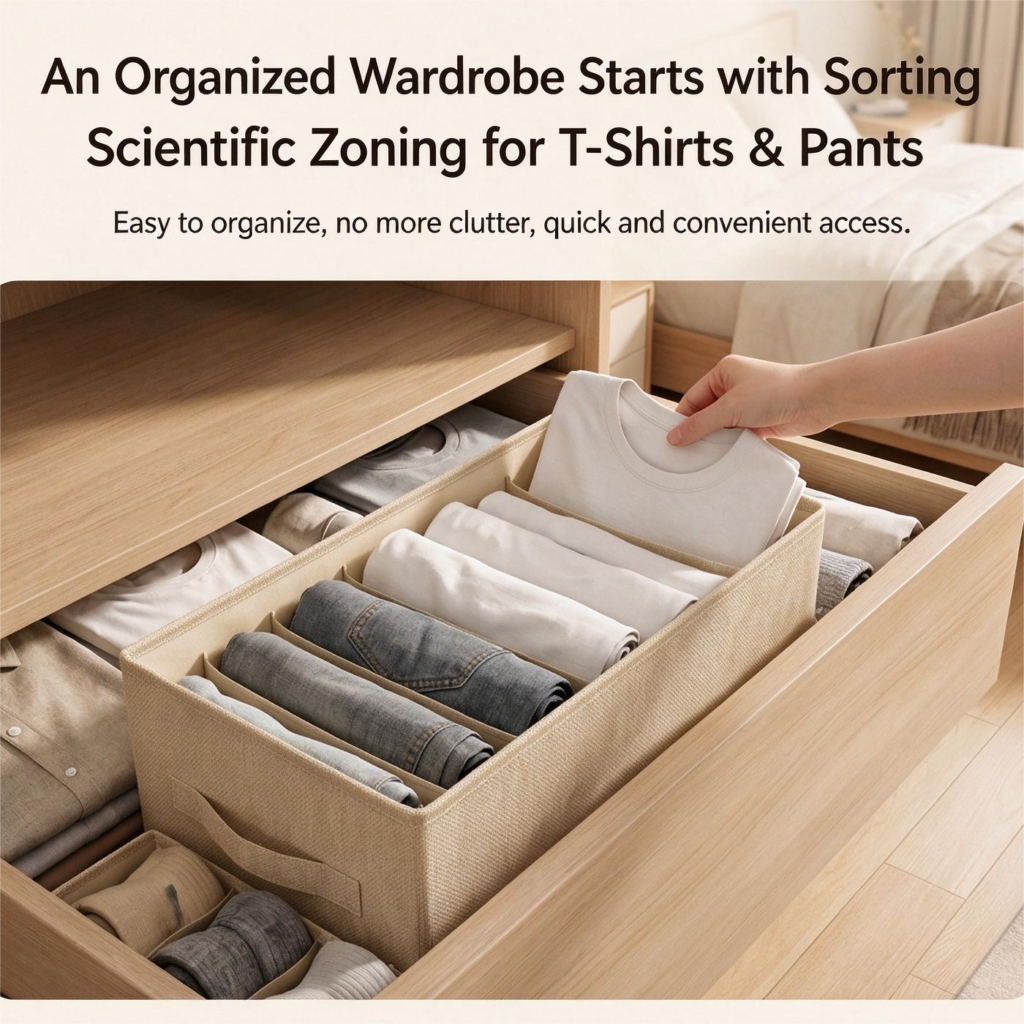
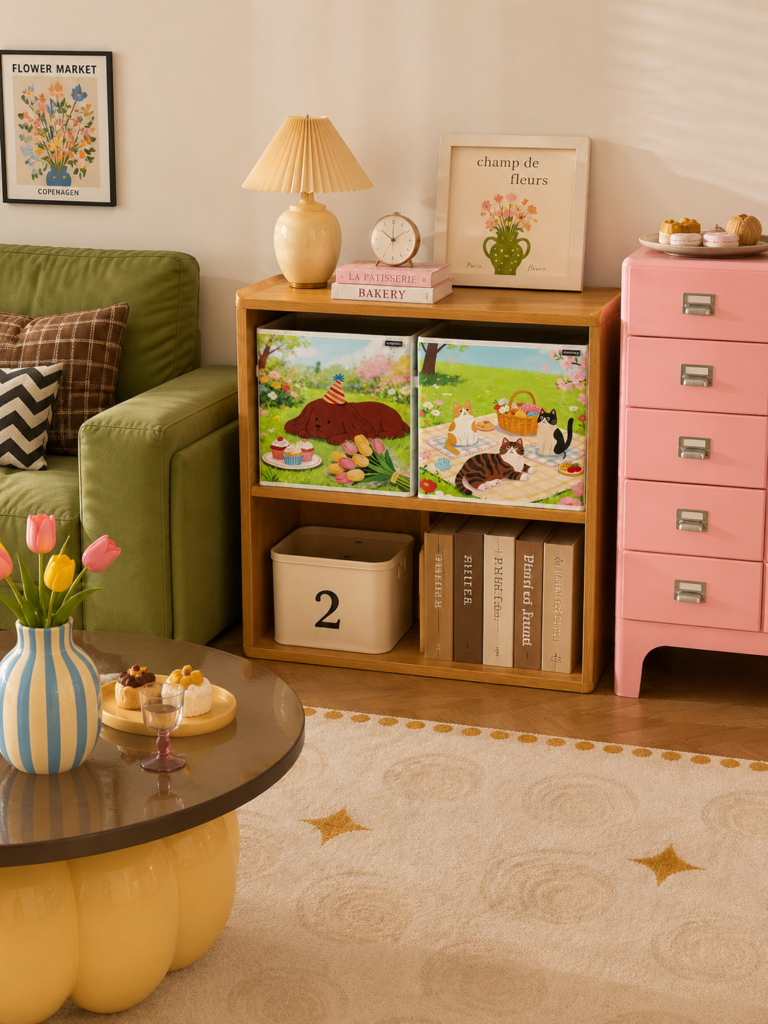
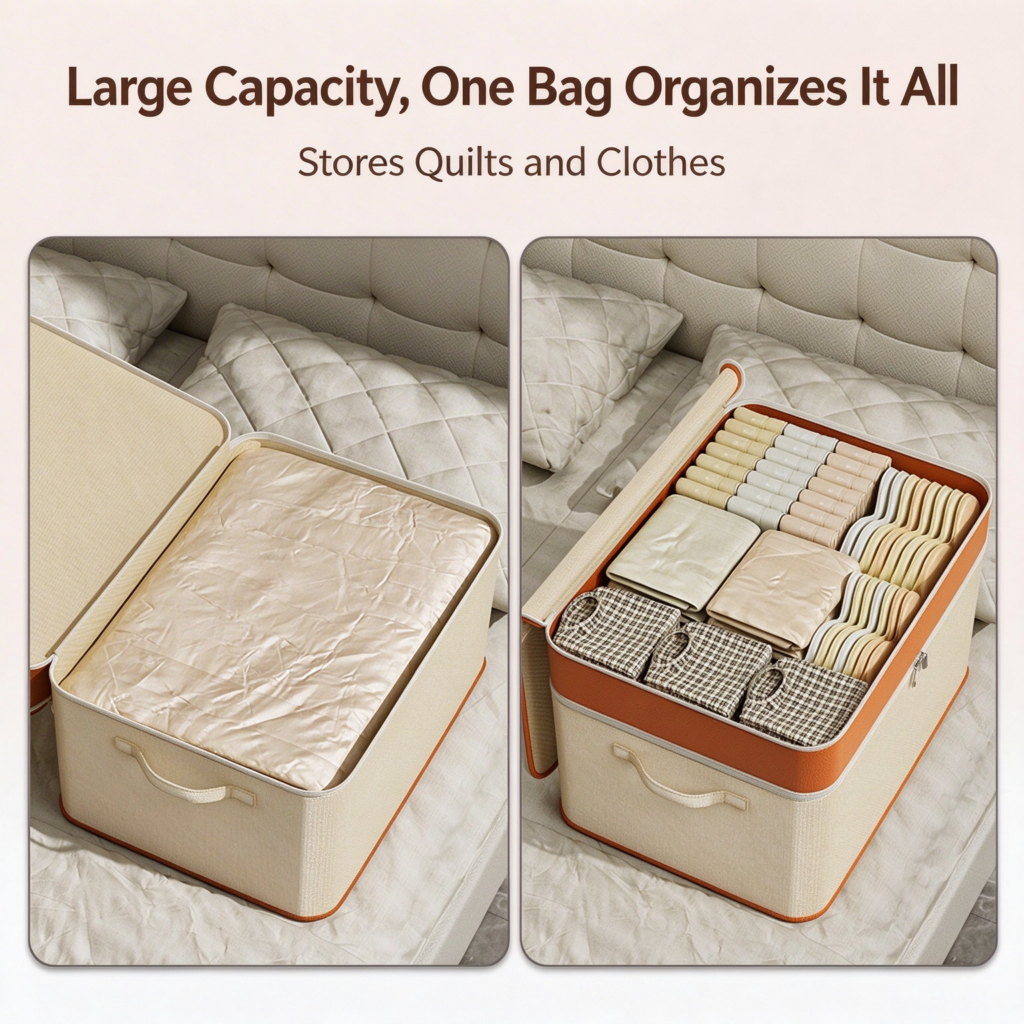
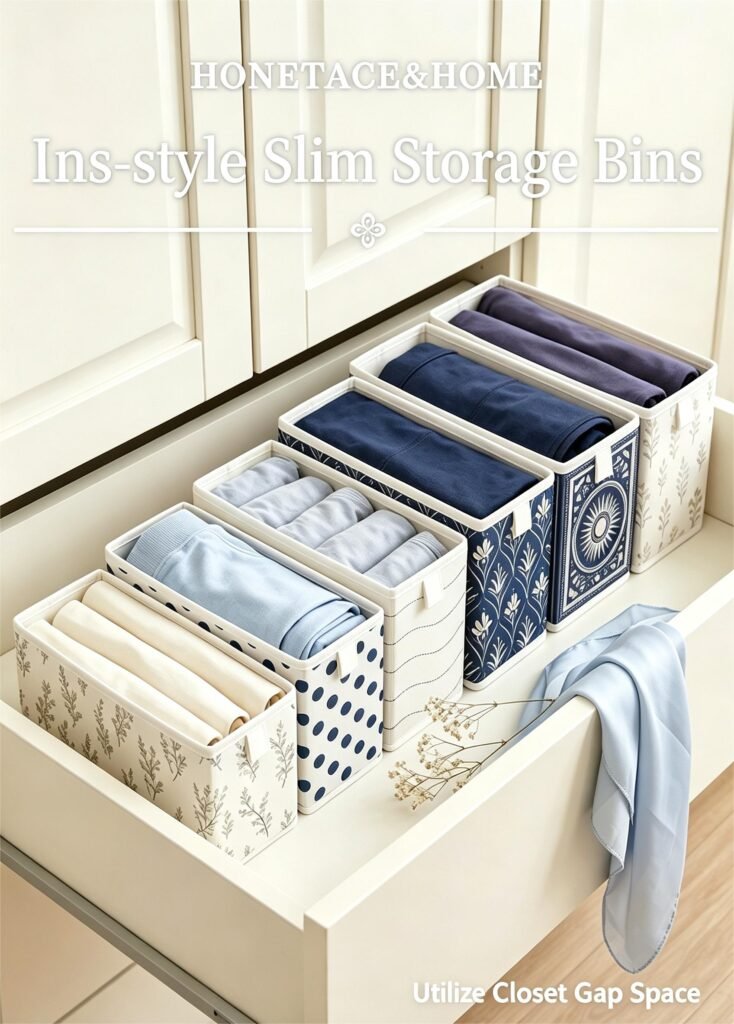
Premium fabric storage boxes sell well across multiple scenarios: closet wardrobe organization, nursery toy storage, bedroom linen storage, office document sorting, pantry cabinet bins and moving storage. A capable factory can produce a wide size range and style portfolio to expand your catalog without switching suppliers.
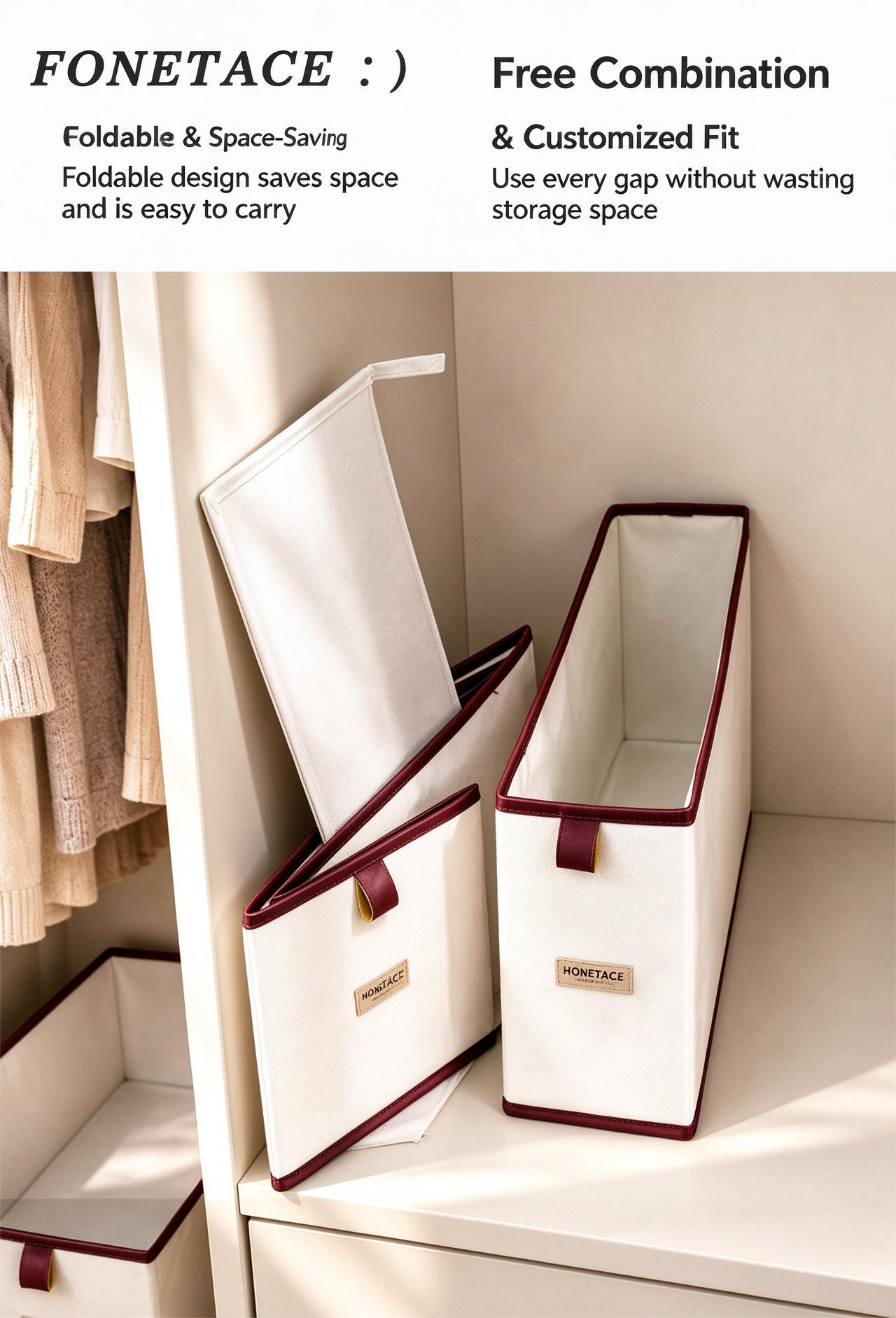
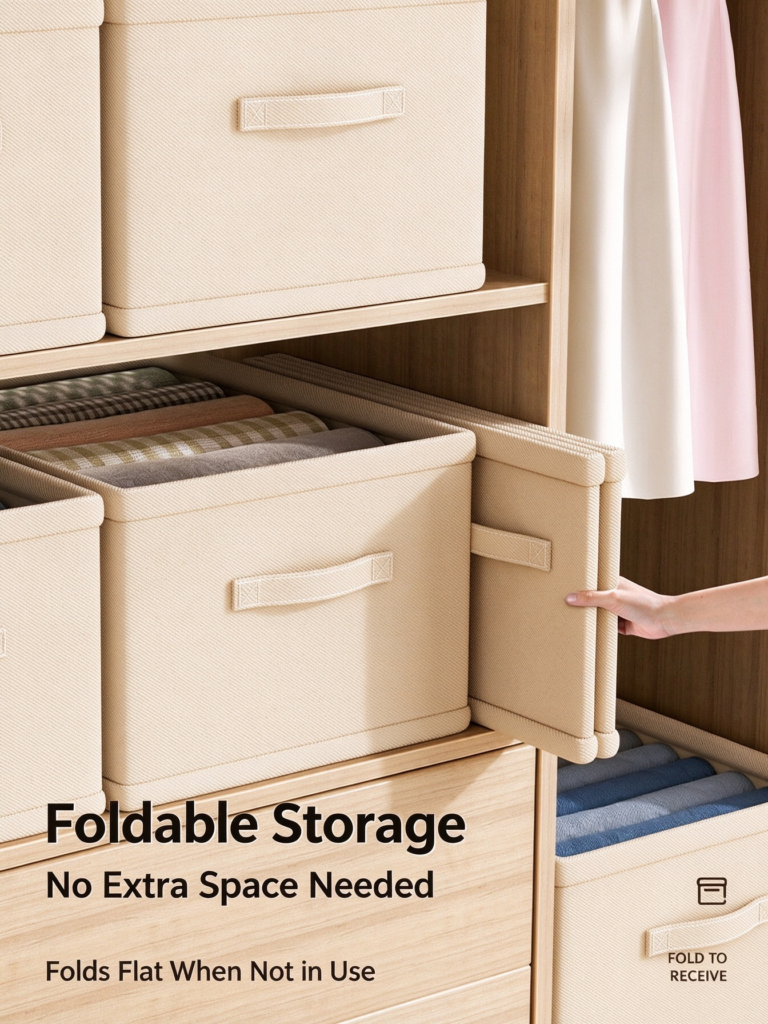
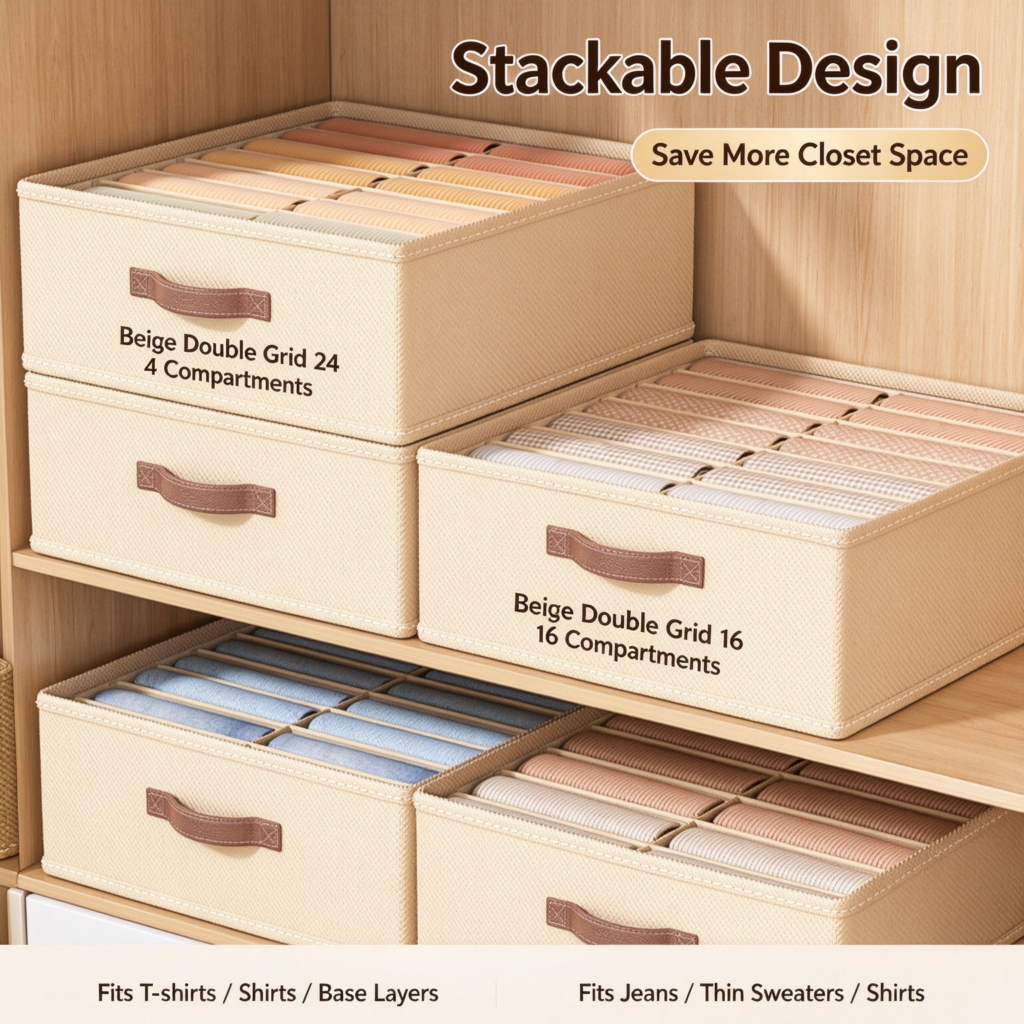
You can mix solid colors, patterned fabrics, lidded or lidless styles, foldable flat designs and rigid reinforced bins in one shipment. This helps retailers and distributors serve diverse consumer demands and boost average order value.
When you compare fabric storage box suppliers, avoid judging only by the lowest quote. Balance factory capacity, material quality, custom flexibility, delivery reliability and customer support. A stable factory partner lowers your sourcing risk, protects your brand reputation and supports sustainable wholesale growth year after year.
If you are an importer, retailer or brand owner looking for a direct fabric storage box factory with OEM, ODM and private label bulk services, send your specifications, target quantity and custom requirements. Our team will prepare formal quotation, sample schedule and production plan for your review.